
"heat transfer"
500 article(s) found
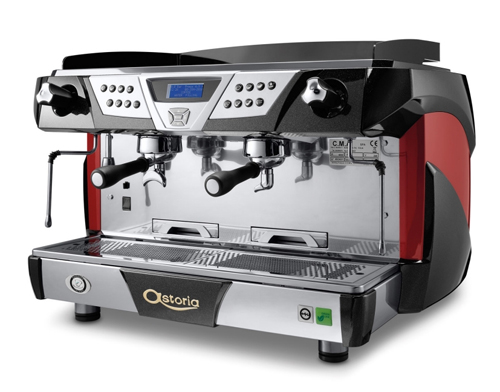
Common sense of coffee machine simple function description of each part of coffee machine
Boiler: at present, the popular coffee machine boiler is mainly made of copper and stainless steel, but some manufacturers also use copper alloy and copper plating. The main characteristics of copper boilers are good extensibility (good elasticity when frequent alternation of hot and cold water) and fast heat transfer speed. It was widely used in early wineries, such as some spirits distillation equipment. Figure 1.JPG (17.8

A graphic introduction to the names of the parts of the automatic coffee machine
At present, the popular coffee machine boilers are mainly made of copper and stainless steel, but some manufacturers also use copper alloy and copper plating. The main characteristics of copper boilers are good extensibility (good elasticity when frequent alternation of hot and cold water) and fast heat transfer speed. It was widely used in early wineries, such as some strong wineries.

Baristas must see the simple functional description of the various parts of the Italian coffee machine.
Boiler: at present, the popular coffee machine boiler is mainly made of copper and stainless steel, but some manufacturers also use copper alloy and copper plating. The main characteristics of copper boilers are good extensibility (good elasticity when frequent alternation of hot and cold water) and fast heat transfer speed. It was widely used in early wineries, such as some spirits distillation equipment. Figure 1.JPG (17.8

The simple function of each part of the coffee machine explains the general knowledge of the coffee machine.
Boiler: at present, the popular coffee machine boiler is mainly made of copper and stainless steel, but some manufacturers also use copper alloy and copper plating. The main characteristics of copper boilers are good extensibility (good elasticity when frequent alternation of hot and cold water) and fast heat transfer speed. It was widely used in early wineries, such as some spirits distillation equipment. Figure 1.JPG (17.8

Proaster roaster official website _ South Korea Tae-hwan proaster coffee roaster product introduction
Professional coffee knowledge exchange more coffee bean information Please pay attention to the coffee workshop (Wechat official account cafe_style) Coffee roaster is a professional boiler that ensures uniform heating by mixing coffee beans and roasting coffee beans through heat transfer. There are several kinds of boutique coffee roasters on the market today: traditional drum roaster and indirect heating drum roaster.

Roasting process, baking degree and roasting curve general knowledge of coffee roasting
The following text is extracted from the book falling in love with barista by Qi Ming, a teacher from Pulan Coffee College, which was printed by Jiangsu Science and Technology Publishing House for the third time in March 2015. Reprint must indicate the author and the source. One can't make bricks without straw. If the quality of raw coffee beans is not good, no matter how skilled the roaster is, everything is still out of reach. For those coffee of poor quality

What is the reason why the temperature of coffee extracted by coffee machine is too low?
What is the reason why the temperature of coffee extracted by coffee machine is too low? although there has been technological progress, there will still be differences with the actual temperature. The temperature shown by PID is different from the actual temperature of the water exposed to coffee powder. From the beginning of buckling the handle to the brewing head, the temperature of the espresso machine will be lost. Even if it is an espresso machine with strong temperature retention, inside the coffee machine

Why does coffee smell so good? how do you describe the aroma of coffee?
Professional coffee knowledge exchange more coffee bean information please pay attention to the coffee workshop (Wechat official account cafe_style) homogenization ─ transfer heat to the inside and outside of raw beans, so that all beans are ready to react evenly. Each raw bean is formed by countless cells, including the cell wall, the cell membrane, the sap that fills its interior, and the nucleus. Harvest

[practical information] the secret of the aroma of coffee beans-- high temperature and high pressure explosion
There are many steps in the roasting process of coffee roasting coffee. This article will focus on the commercial roaster to observe the roasting stage, and the roasting process determines the taste of the coffee because of the active chemical reactions in the beans. Homogenized ─ transfers heat to the inside and outside of raw beans.
[professional coffee roasting] effect of barrel speed on roasting temperature and time of coffee beans
Professional coffee knowledge exchange more coffee bean information please follow the coffee workshop (Wechat official account cafe_style) Coffee roasting skills Collection | the purpose of coffee roasting and the characteristics of coffee beans about rolling bucket speed, very interesting discussion, especially there are two masters said just the opposite https://www.home-barista.com/home-roasting/drum-speed-t4165

Basic chemical reactions that occur during coffee roasting
Many thermal and chemical reactions take place during baking: decarbonation, dehydration of quinic acid, fragmentation, isomerization, polymerization, and complex sugar reactions (caramelization). The main thermally reactive components are monosaccharides and sucrose, chlorogenic acid, displaced amino acids, and trigonelline amide. Both aravinone and calactose in polysaccharides are transferred, and basic sulfurization contains hydroxyamino acids.

Coffee is not hot. A coffee cup with radiating fins.
Ordinary cups are made of metal or ceramics with good thermal conductivity and may be scalded accidentally. The outer design of this coffee cup has a circle of heat dissipation fins, which prevents the transfer of heat and is not so hot in the hand. However, it may cause some inconvenience, such as not being able to warm your hands with a steaming coffee cup or feeling the heat of the coffee cup with your hands.
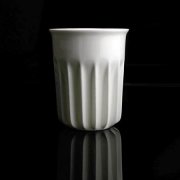
A coffee cup with radiating fins.
Ordinary cups are made of metal or ceramics with good thermal conductivity and may be scalded accidentally. The outer design of this coffee cup has a circle of heat dissipation fins, which prevents the transfer of heat and is not so hot in the hand. However, it may cause some inconvenience, such as not being able to warm your hands with a steaming coffee cup or feeling the heat of the coffee cup with your hands.
The basic chemical reaction of coffee roasting process
Many thermal and chemical reactions take place during baking: decarbonation, dehydration of quinic acid, subdivision, isomerization, polymerization, and complex sugar reactions (caramelization). The main components of the thermal reaction are monosaccharides and sucrose, chlorogenic acid, free amino acids, and fenugreek amide. Both aravinose and calactose in the polysaccharides are transferred, and the basic vulcanization contains hydroxylated amino acid.
The basic chemical reaction that takes place during coffee roasting.
Many thermal and chemical reactions take place during baking: decarbonation, dehydration of quinic acid, subdivision, isomerization, polymerization, and complex sugar reactions (caramelization). The main components of the thermal reaction are monosaccharides and sucrose, chlorogenic acid, free amino acids, and fenugreek amide. Both aravinose and calactose in the polysaccharides are transferred, and the basic vulcanization process includes hydroxylamine.

The basic chemical reactions that take place during coffee roasting
Many thermal and chemical reactions take place during baking: decarbonation, dehydration of quinic acid, subdivision, isomerization, polymerization, and complex sugar reactions (caramelization). The main components of the thermal reaction are monosaccharides and sucrose, chlorogenic acid, free amino acids, and fenugreek amide. Both aravinose and calactose in the polysaccharides are transferred, and the basic vulcanization process includes hydroxylamine.
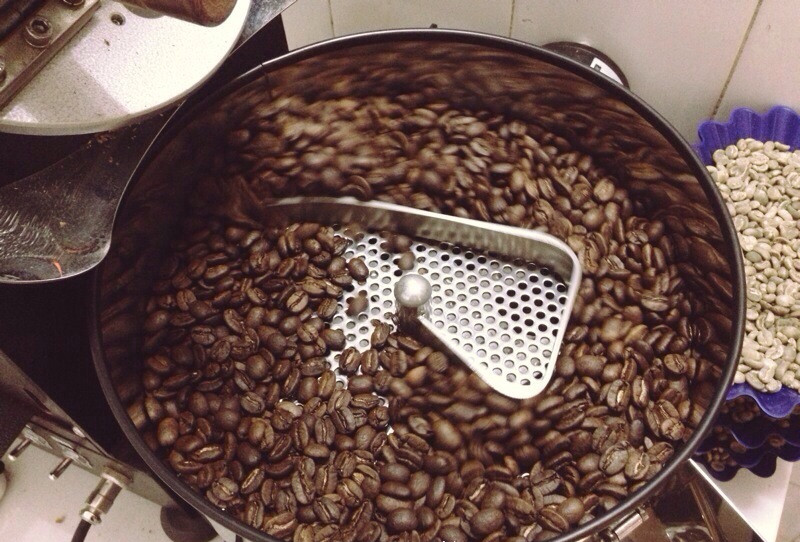
Basic chemical reactions of coffee beans during coffee roasting
Many thermal and chemical reactions take place during baking: decarbonation, dehydration of quinic acid, subdivision, isomerization, polymerization, and complex sugar reactions (caramelization). The main components of the thermal reaction are monosaccharides and sucrose, chlorogenic acid, free amino acids, and fenugreek amide. Both aravinose and calactose in the polysaccharides are transferred, and the basic vulcanization process includes hydroxylamine.

The chemical reaction that takes place in the process of roasting coffee how to drink roasted coffee? The process of roasting coffee
Professional coffee knowledge exchange more coffee bean information please pay attention to the coffee workshop (Wechat official account cafe_style) homogenization ─ transfer heat to the inside and outside of raw beans, so that all beans are ready to react evenly. Each raw bean is formed by countless cells, including the cell wall, the cell membrane, the sap that fills its interior, and the nucleus. Harvest
The basic chemical reactions that take place during coffee roasting
Many thermal and chemical reactions take place during baking: decarbonation, dehydration of quinic acid, subdivision, isomerization, polymerization, and complex sugar reactions (caramelization). The main components of the thermal reaction are monosaccharides and sucrose, chlorogenic acid, free amino acids, and fenugreek amide. Both aravinose and calactose in the polysaccharides are transferred, and the basic vulcanization process includes hydroxylamine.